12 Oct 2026
Tracing Swiss Oversight Links to Evolving Player Reward Algorithms in Digital Table Games and Athletic Wagers
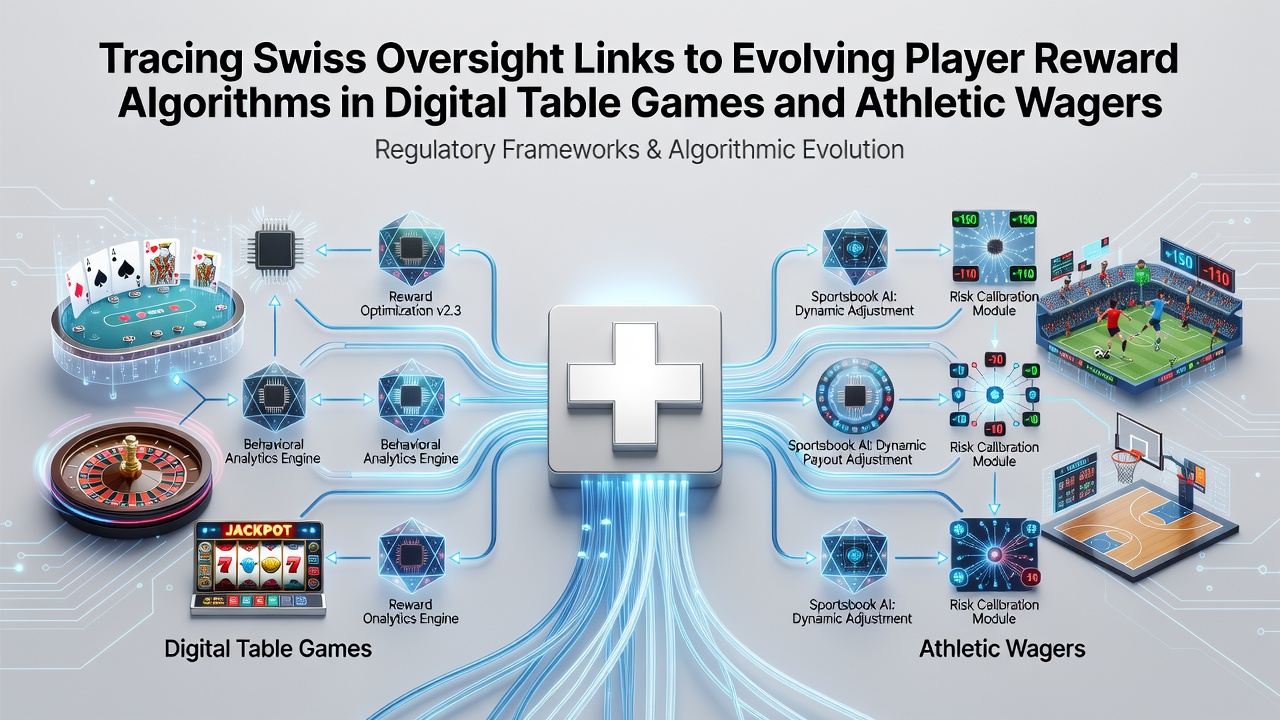
Swiss regulatory bodies maintain direct connections to the design of player reward algorithms used in licensed digital table games and athletic wagers, with oversight mechanisms that require operators to embed compliance parameters into every calculation layer. These parameters cover bonus triggers, loyalty point accrual rates, and dynamic reward scaling that adjust based on real-time player behavior data. The Federal Act on Games of Chance and Casinos, enforced through the Swiss Federal Gaming Board, sets boundaries that force algorithm developers to integrate caps on reward frequency and value, particularly in environments where table game variants like blackjack or roulette meet sports betting interfaces on the same platform.
Regulatory Mapping of Algorithm Inputs
Operators must submit detailed documentation on reward algorithm logic during license renewal cycles, and authorities review how variables such as session duration, wager size, and game type influence payout structures. Data from licensed platforms shows that reward multipliers in digital poker rooms cannot exceed thresholds tied to average loss rates, while athletic wager promotions often incorporate cooling periods that pause bonus accumulation after consecutive high-volume bets. These rules create traceable pathways from supervisory directives to code-level adjustments, where engineers modify weighting factors to prevent reward systems from accelerating play beyond monitored limits.
Table Game Mechanics Under Swiss Constraints
In digital table game environments, algorithms track individual player profiles and apply tiered rewards that align with responsible gaming markers. For instance, a system might reduce cashback percentages once a player reaches a predefined loss threshold within a rolling 24-hour window, a feature directly linked to Swiss licensing conditions that emphasize harm minimization. Studies from European research institutions indicate that such adjustments maintain player retention metrics while satisfying audit requirements, because the code logs every decision point for post-session review by compliance teams.
Integration with Athletic Wager Promotions
Athletic wagers present distinct challenges because reward algorithms must handle live odds fluctuations alongside fixed bonus structures. Swiss oversight requires that promotional credits tied to accumulator bets or in-play wagers factor in probability models approved by regulators, ensuring that apparent value enhancements do not mask elevated house edges. Platforms active in October 2026 began rolling out updated modules that cross-reference bet history with reward eligibility, automatically excluding accounts flagged for rapid stake escalation patterns. This development reflects ongoing refinements that connect supervisory data feeds to backend processing engines.
Data Flows and Compliance Verification
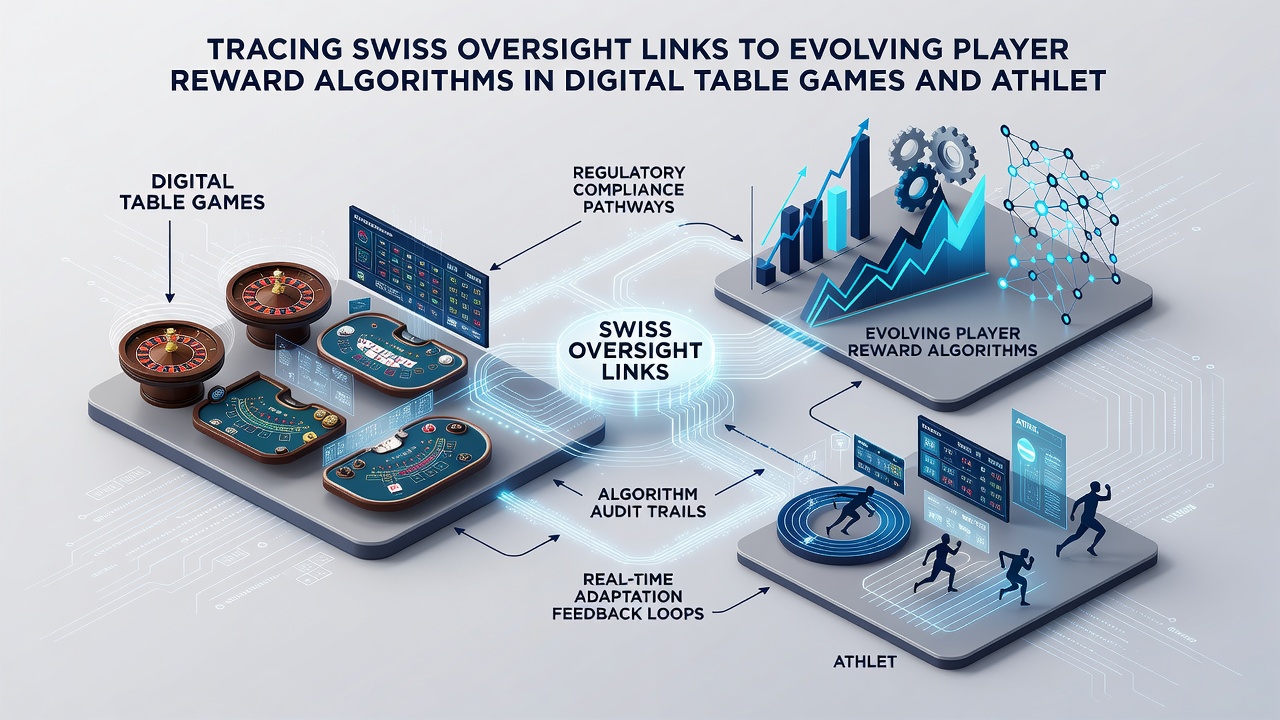
Information exchange between operators and regulators occurs through standardized reporting portals that capture algorithm performance metrics at regular intervals. Observers note that these portals now include API endpoints allowing direct inspection of reward calculation outputs, which helps identify deviations from approved parameters before they affect large user bases. Research from academic centers in Canada and Australia demonstrates parallel approaches in other jurisdictions, yet Swiss implementations stand out for their emphasis on preemptive code validation rather than reactive audits alone. One documented case involved a major platform adjusting its loyalty multiplier after authorities flagged an unintended clustering of high rewards among a small cohort of frequent table game users.
Future Adjustments Anticipated by Mid-Decade
By October 2026, further refinements are scheduled that will require reward algorithms to incorporate machine learning safeguards trained on anonymized Swiss player datasets. These safeguards aim to detect emerging patterns where personalized offers might bypass existing frequency limits. Industry reports from the European Gaming and Betting Association highlight similar trajectories across the continent, where regulators increasingly treat algorithm transparency as a core licensing criterion. Swiss Federal Gaming Board documentation outlines the technical specifications operators must meet when updating these systems, including mandatory simulation testing against historical play records.
Conclusion
Connections between Swiss oversight structures and player reward algorithms in digital table games plus athletic wagers continue to tighten through mandatory documentation, real-time monitoring hooks, and scheduled code validations. These links ensure that evolving reward mechanisms remain within defined operational boundaries while supporting platform functionality across both game categories. As data exchange protocols advance, the traceability of each algorithmic decision back to regulatory inputs grows more precise, creating a framework that other regions reference when developing comparable controls.