9 Nov 2026
Swiss Permit Criteria and Their Effects on Loyalty Reward Distribution Within Digital Card Tournaments Alongside Live Event Prediction Platforms
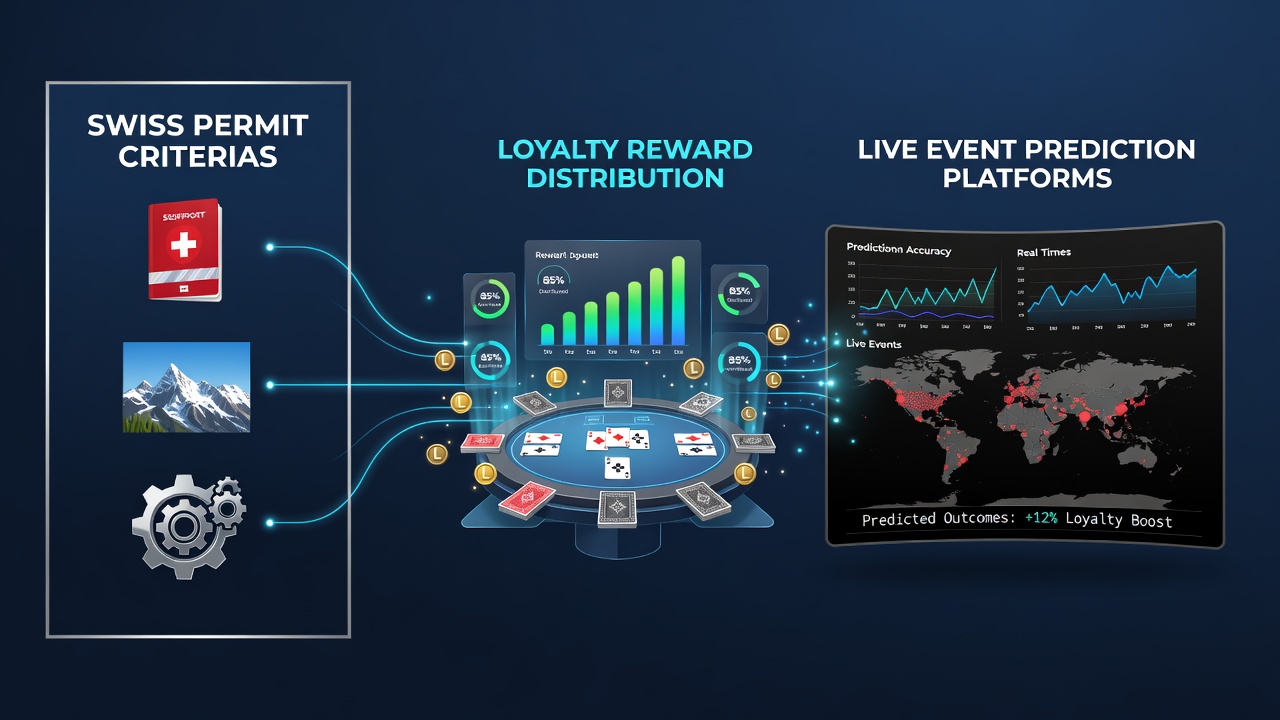
Swiss permit criteria establish clear boundaries for operators who run digital card tournaments and live event prediction platforms, and these rules directly shape how loyalty rewards reach participants. Federal licensing requirements emphasize player protection measures, financial transparency, and controlled bonus structures that prevent excessive accumulation of points or credits in competitive formats.
Core Elements of Swiss Licensing Standards
Operators must meet strict conditions set by Swiss authorities before they distribute any form of loyalty incentives, which means every reward program undergoes review for compliance with spending limits and participation rules. Data from regulatory filings shows that platforms handling card-based competitions often adjust point accrual rates to stay within permitted thresholds, while live prediction environments face additional scrutiny on real-time wager tracking systems. Researchers at institutions across Europe have documented how these standards reduce the frequency of large-scale reward drops compared to less regulated markets, and they note that November 2026 marks the scheduled review period for updated compliance guidelines that could further refine reward caps.
Application to Digital Card Tournaments
Digital card tournaments operate under license conditions that cap the total value of loyalty points awarded per player during any single event cycle, and this restriction forces organizers to spread incentives across multiple smaller achievements rather than concentrating them in final rankings. Observers note that tournament software frequently incorporates automated checks which pause point distribution once a player approaches the regulatory ceiling, and this mechanism maintains fair access for all entrants while satisfying oversight requirements. Studies conducted by academic groups in Canada have examined similar frameworks and found that such controls correlate with steadier participation rates over extended periods, because players encounter fewer sudden restrictions mid-competition.
Mechanics of Reward Allocation
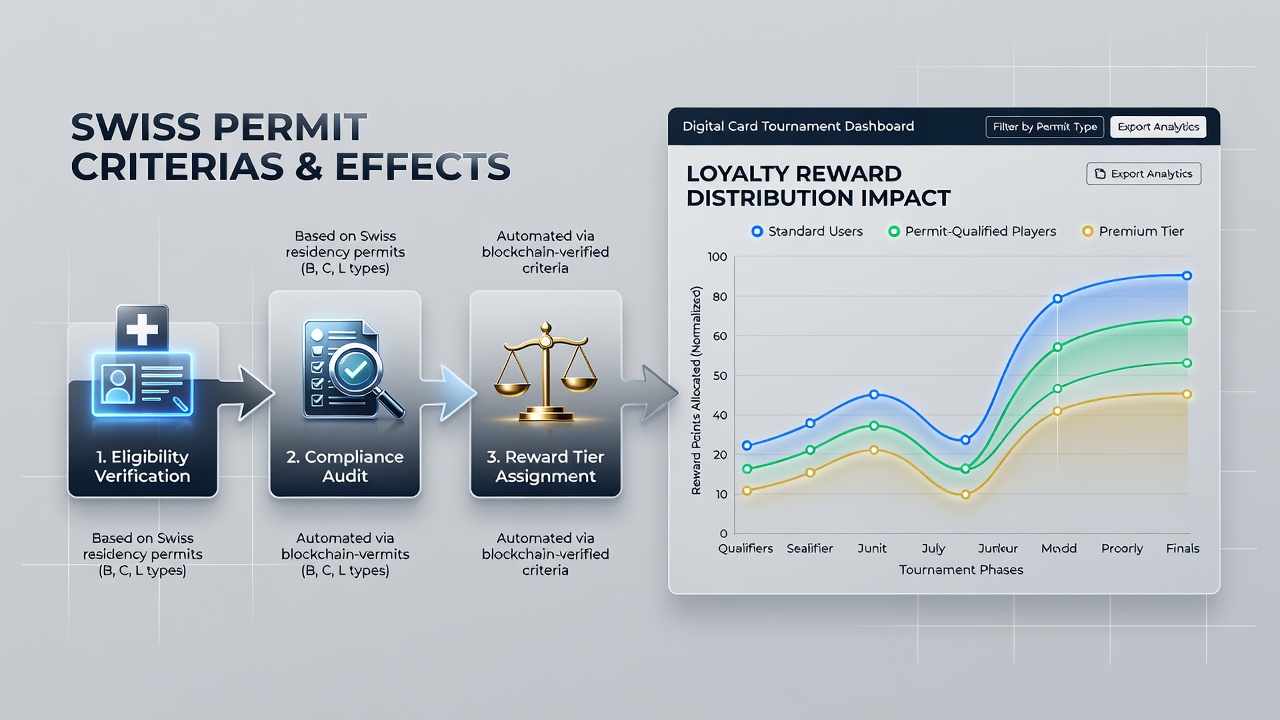
Point systems in licensed card platforms typically convert tournament performance into redeemable credits at fixed ratios that align with Swiss financial reporting standards, and operators must log every transaction in auditable formats. When a player completes a series of matches, the accumulated rewards undergo verification against daily and monthly limits before release, which prevents any single account from receiving disproportionate benefits. Industry reports indicate that this layered approval process has led many platforms to introduce tiered loyalty levels where higher ranks unlock only after extended verified play, rather than through rapid point surges.
Influence on Live Event Prediction Platforms
Live event prediction platforms integrate Swiss permit criteria by embedding real-time monitoring tools that track both prediction accuracy and associated reward eligibility, and these tools automatically adjust payout schedules when aggregate activity nears permitted thresholds. Data compiled by government agencies in Australia reveals that prediction markets using similar oversight structures experience more predictable reward flows, because operators pre-define maximum loyalty credits tied to event categories. Those who manage these platforms often redesign bonus triggers around verified user sessions instead of raw prediction volume, and this shift helps sustain long-term engagement without triggering compliance flags.
Comparative Effects Across Both Formats
Card tournaments and prediction platforms share overlapping requirements around identity verification and spend tracking, yet the reward distribution models diverge because tournaments emphasize skill-based progression while prediction environments rely on outcome accuracy metrics. Experts have observed that unified licensing creates consistent reporting obligations across both sectors, which in turn encourages operators to develop shared backend systems for loyalty management. Figures from recent compliance audits show reduced variance in reward redemption rates after the introduction of standardized permit reviews, and this consistency benefits players who move between tournament and prediction offerings on the same licensed site.
Future Adjustments Anticipated in November 2026
Regulatory updates scheduled for November 2026 are expected to introduce refined metrics for evaluating loyalty program sustainability, and operators have already begun testing adjusted point multipliers that account for these forthcoming changes. Research indicates that early adoption of the anticipated standards has helped platforms maintain uninterrupted reward cycles during previous transition periods, and similar patterns appear likely to continue. Platforms that align their systems in advance typically avoid the temporary pauses in distribution that occur when new criteria take effect without preparation.
Conclusion
Swiss permit criteria continue to guide the structure and timing of loyalty rewards in digital card tournaments and live event prediction platforms through requirements centered on transparency, spending limits, and verified participation. These rules produce measurable effects on how points accumulate and convert, and they promote steady distribution patterns across both competition types. Operators who integrate compliance tools from the outset achieve more reliable reward delivery, and ongoing reviews such as the one planned for November 2026 will likely reinforce these established frameworks.