28 Sep 2026
Decoding Algorithm Adjustments in Swiss-Approved Slot Mechanics for Compliance and Player Retention
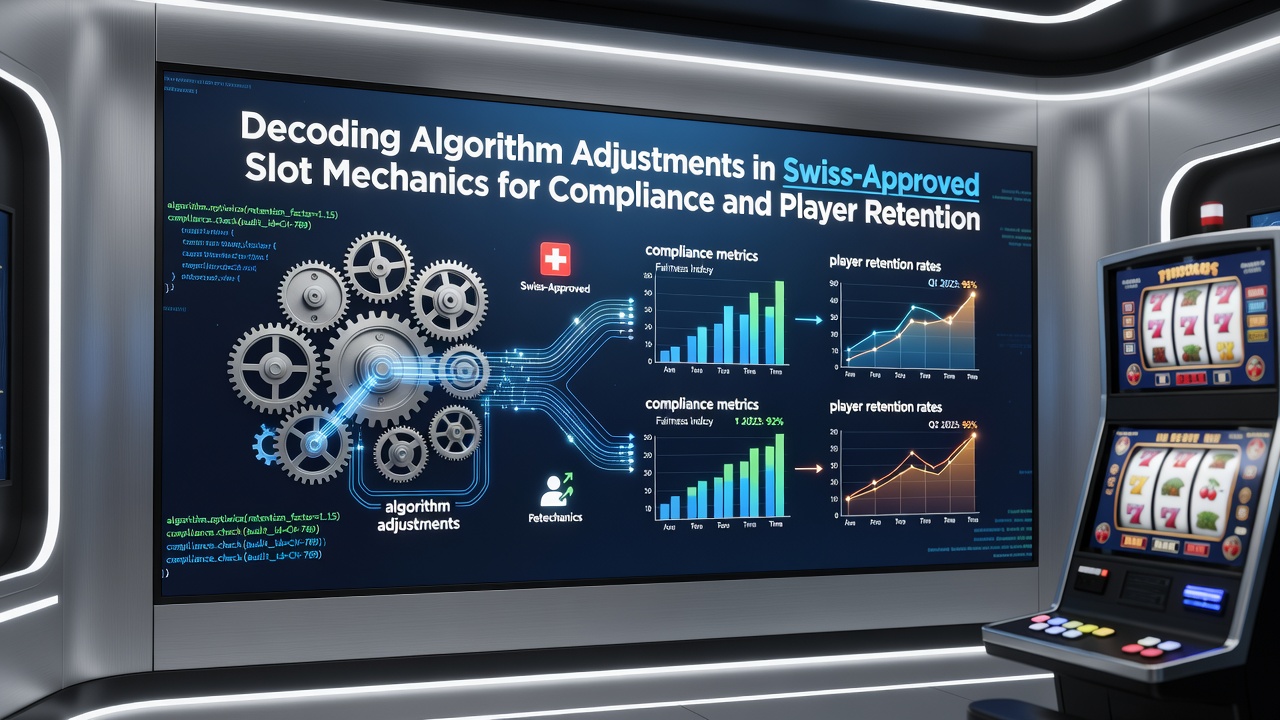
Swiss gaming regulations require operators to maintain certified random number generators in slot mechanics while operators adjust parameters such as return-to-player percentages and volatility profiles to meet both legal standards and engagement metrics. Data from the Eidgenössische Spielbankenkommission shows that licensed platforms must submit algorithm documentation for review before deployment and any subsequent modifications trigger re-certification processes.
Algorithm adjustments often center on hit frequency calibration because Swiss rules mandate transparent disclosure of payout structures and forbid mechanisms that mislead players about win probabilities. Operators modify reel weighting distributions and bonus trigger rates within approved ranges to sustain session lengths without exceeding compliance thresholds. Researchers at the University of St. Gallen documented these calibration techniques in a 2024 analysis of licensed digital slots where small incremental changes to symbol distribution preserved overall return-to-player values yet altered short-term player experience patterns.
Regulatory Framework Governing Slot Algorithms
The Swiss Money Games Act and associated ordinances establish strict parameters for electronic gaming devices including requirements for independent testing of random outcomes and caps on maximum bet sizes per spin. Compliance teams review algorithm code to ensure that adaptive features such as dynamic RTP shifts remain disabled unless explicitly authorized by the licensing authority. In September 2026 revised technical standards are scheduled to introduce enhanced logging obligations for any parameter tweaks that affect player return curves over extended play periods.
Those who monitor regulatory filings note that approved adjustments typically involve tightening or loosening volatility bands while keeping the certified RTP within the mandated corridor of 85 to 95 percent. External audits conducted by accredited laboratories verify that these modifications do not introduce exploitable patterns or hidden house-edge escalations. Figures released by the Swiss Federal Gaming Board indicate that re-certification volumes rose 18 percent between 2023 and 2025 largely due to operators seeking retention-focused refinements under existing license conditions.
Technical Adjustments for Compliance and Engagement
Developers implement layered random number generator architectures that separate base game outcomes from feature triggers allowing targeted modifications to one layer without affecting overall certification status. For instance adjustments to the frequency of free-spin activations can occur through changes in the secondary RNG seed mapping while the primary reel cycle remains untouched. Such segmentation reduces re-testing scope and accelerates approval timelines according to industry reports compiled by the European Gaming Institute.

Player retention data collected across Swiss-licensed platforms reveal that moderate volatility increases paired with higher hit frequencies correlate with longer average session durations provided the overall RTP stays constant. Analysts compare pre- and post-adjustment metrics to confirm that session extension does not breach responsible gaming thresholds embedded in the license terms. The Ontario Lottery and Gaming Corporation published comparative studies in 2025 that highlighted similar layered adjustment approaches used in regulated markets outside Switzerland demonstrating cross-jurisdictional consistency in technical compliance methods.
Monitoring and Documentation Requirements
Operators maintain detailed change logs that record every algorithm parameter modification along with justification tied to either regulatory updates or retention analytics. These records undergo periodic inspection by the licensing body to verify that adjustments remain within pre-approved envelopes. Automated monitoring systems flag deviations in real time and trigger mandatory reporting when cumulative changes exceed defined tolerance bands. Evidence from compliance audits shows that platforms with robust documentation frameworks experience fewer delays during annual license renewals.
Conclusion
Algorithm adjustments in Swiss-approved slot mechanics operate within tightly defined regulatory boundaries that prioritize both fairness verification and documented player protection measures. Technical segmentation of random number generators enables precise refinements to engagement metrics while preserving certified payout structures. Ongoing updates scheduled for September 2026 will further standardize logging and transparency obligations across the licensed sector. Data from regulatory filings and independent research institutions continue to inform how operators balance compliance obligations with retention objectives under the current licensing regime.