23 Nov 2026
Certification Standards Driving Innovations in Reward Distribution for Virtual Gaming and Wagering Activities
Certification standards have reshaped how virtual gaming platforms and wagering operators handle reward distribution, with testing bodies requiring transparent algorithms and verifiable payout mechanisms that meet documented fairness criteria. These requirements push developers to integrate new technologies such as distributed ledger systems and adaptive personalization engines while maintaining compliance across multiple jurisdictions.
Core Certification Bodies and Their Technical Requirements
Gaming Laboratories International and BMM Testlabs evaluate random number generators along with reward allocation logic before any platform receives operational approval, and their checklists now include specific tests for dynamic loyalty point systems and progressive jackpot triggers. Observers note that these evaluations have expanded since 2024 to cover real-time reward adjustments based on player behavior data, which forces operators to document every variable in their distribution models.
Standards organizations also mandate audit trails that record every reward transaction, which in turn supports innovations like automated compliance checks embedded directly into backend code. Researchers at several testing facilities report that certified systems show measurable reductions in variance disputes when reward logic undergoes third-party verification at regular intervals.
Technological Advances Triggered by Compliance Demands
Operators respond to certification demands by adopting blockchain-based reward ledgers that create immutable records of point issuance and redemption, satisfying requirements for transparency while enabling cross-platform loyalty programs. One development team integrated smart contracts that automatically adjust bonus multipliers according to predefined regulatory thresholds, and this approach passed initial audits in multiple European markets during 2025.
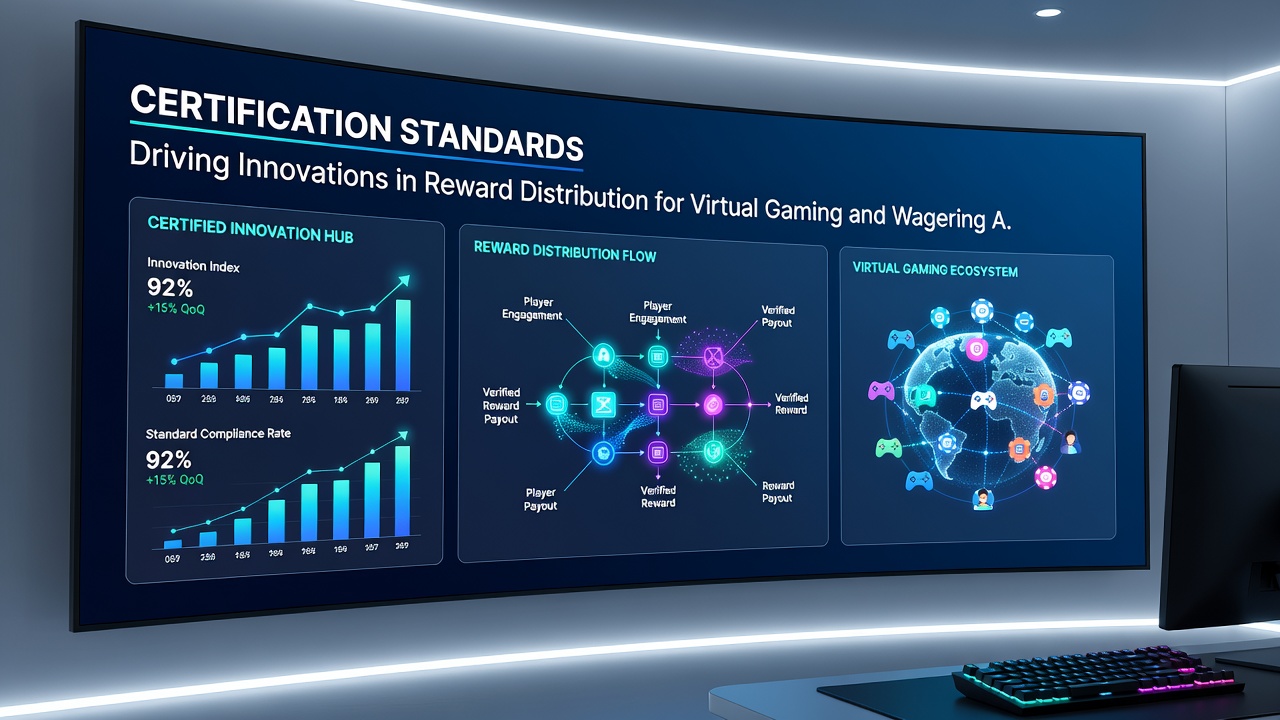
Artificial intelligence models now assist in calibrating reward frequency to stay within certified parameters, and these models undergo separate validation rounds before deployment. Data from industry reports shows that platforms using certified AI reward engines achieved higher retention metrics in controlled studies conducted through 2025, though operators must still submit full model documentation for every update cycle.
Regulatory Timelines and Upcoming Milestones
Certification frameworks continue to evolve, with several jurisdictions scheduling new technical appendices for November 2026 that will address reward distribution in live dealer environments and sports wagering promotions. These updates require additional stress testing for high-volume transaction periods and mandate enhanced encryption for player reward accounts, prompting vendors to accelerate development of modular compliance software ahead of the deadline.
According to findings published by the European Commission, harmonized certification criteria across member states have already reduced approval times for reward system modifications by an average of 18 percent since 2023. Platforms that aligned early with these criteria gained operational flexibility in rolling out tiered loyalty structures without repeated full-system retests.
Impact on Player Reward Structures
Certified reward systems now commonly feature segmented distribution models that differentiate between casual participants and high-volume users while maintaining statistical fairness across all groups. Testing protocols require operators to demonstrate that no reward tier receives disproportionate allocation outside documented probability ranges, which has driven the creation of configurable reward engines capable of real-time parameter adjustments.
Case examples from licensed operators show that integration of certified progressive reward pools into virtual table games increased average session duration when the systems passed both RNG and distribution fairness audits. These outcomes stem directly from the requirement that every reward mechanic undergo documented verification before public release.
Conclusion
Certification standards continue to serve as the primary catalyst for technical refinement in reward distribution across virtual gaming and wagering sectors. As new appendices take effect in November 2026, operators and developers will face additional verification layers that further embed compliance into the design phase of reward algorithms. The pattern of standards-driven innovation remains consistent, with each updated requirement prompting measurable advances in transparency tools, adaptive systems, and audit capabilities that support both regulatory adherence and operational scale.