26 Oct 2026
Authorization Criteria Shaping Incentive Models in Online Entertainment Sectors
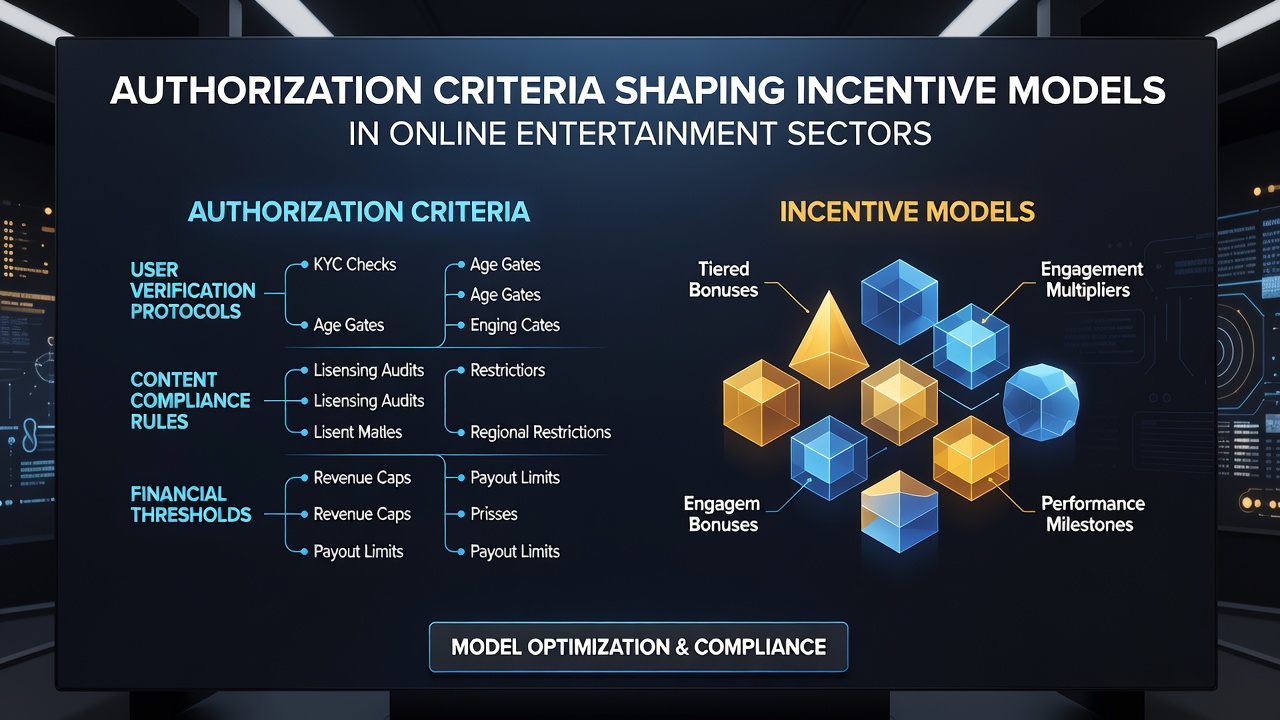
Authorization criteria established by regulatory bodies determine the parameters within which online entertainment providers develop their incentive models, and these frameworks cover licensing requirements, compliance audits, and operational standards that directly affect reward systems across digital platforms. In sectors ranging from online gaming environments to subscription-based media services, authorization processes set boundaries on how companies structure loyalty programs, promotional offers, and bonus mechanisms, while data from multiple jurisdictions shows consistent patterns in how these rules translate into specific incentive designs.
Regulatory Authorization Processes Across Regions
Authorization standards vary by region yet share common elements that influence incentive structures, and regulators in the European Union enforce directives on digital services that require transparency in reward calculations while Canadian provincial authorities apply similar oversight to interactive entertainment platforms. Observers note that companies must demonstrate adherence to these criteria before launching any incentive program, which leads to adjustments in how points, credits, and tiered rewards accumulate for users. Research from academic institutions indicates that authorization timelines often extend several months, during which providers refine their models to meet documentation demands on player eligibility and payout frequencies.
Those who've examined authorization documents across jurisdictions find that criteria frequently include caps on promotional value relative to user deposits or subscription fees, and this requirement shapes the scale of welcome bonuses or ongoing engagement rewards offered in online entertainment. In October 2026 updated compliance reports highlighted shifts in how certain platforms recalibrated their incentive algorithms following authorization reviews, particularly in markets where new digital content regulations took effect mid-year.
Impact on Bonus Structures and Player Retention Tools
Authorization criteria require detailed reporting on incentive fairness, which compels providers to implement verifiable randomization in reward distribution systems, and this obligation appears in guidelines issued by bodies such as the Australian Communications and Media Authority. Providers adjust their models accordingly, incorporating audit trails that track every promotional credit issued to users, while industry reports reveal that such measures reduce the frequency of high-value instant bonuses in favor of staggered reward releases over time. What's interesting is how these changes align incentive pacing with authorization-mandated responsible engagement protocols that monitor user activity patterns.
Experts have observed that authorization renewals prompt periodic overhauls of incentive models, especially when regulators introduce new metrics for measuring player retention against potential overexposure risks, and companies respond by diversifying reward types to include non-monetary elements like exclusive content access or customization options. Data shows these adaptations maintain user engagement levels while satisfying the documentation standards tied to license maintenance.
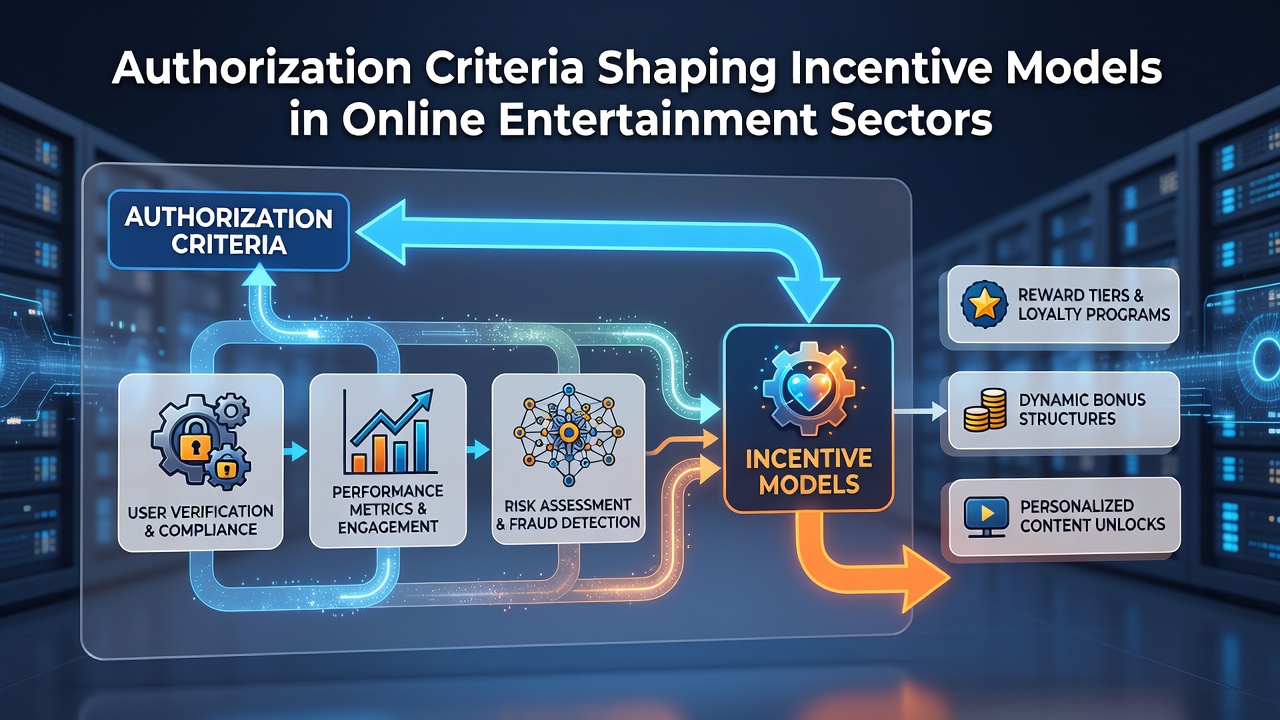
Take one analysis conducted by research teams at European universities that reviewed authorization filings from 2024 through 2026, and the findings indicated a measurable increase in conditional reward structures where users unlock benefits only after meeting verified activity thresholds. These thresholds stem directly from authorization criteria that emphasize sustained participation over rapid accumulation of incentives, and providers integrate them through backend systems that flag compliance automatically during audits.
Examples from Digital Platforms and Emerging Trends
Streaming services and online gaming platforms illustrate how authorization shapes incentives when they tie subscription tiers to verified regional licensing approvals, and this linkage results in geographically varied reward availability that complies with local authorization rules. One study revealed that platforms operating under multiple authorizations often maintain separate incentive ledgers for each jurisdiction to isolate promotional activities and prevent cross-border violations. The reality is that such compartmentalization adds operational layers yet allows providers to offer tailored experiences without breaching any single set of criteria.
Industry associations have documented cases where authorization delays forced temporary suspensions of certain loyalty features, prompting companies to develop fallback incentive models that rely more heavily on community-driven rewards rather than direct platform credits. These alternatives satisfy authorization demands for reduced financial exposure while preserving user interest through social or achievement-based elements.
Conclusion
Authorization criteria continue to guide the evolution of incentive models in online entertainment sectors by establishing clear compliance boundaries that providers must navigate when designing rewards, and ongoing regulatory updates ensure these models adapt to new standards on transparency and user protection. Data from diverse regions demonstrates measurable effects on bonus frequency, reward pacing, and retention mechanics, while platforms respond through technical adjustments and diversified offerings. As authorization processes incorporate additional metrics in coming periods, incentive structures will likely reflect further refinements that balance engagement goals with regulatory obligations.